Leadership with the Aroma of Christ

One can find many definitions of leadership. At its most basic, leadership is the ability to influence others. Peter Drucker said, “The only definition of a leader is someone who has followers.” John Maxwell, in a similar way, says, “Leadership is influence – nothing more, nothing less.” In an article in Forbes some years ago, Kevin Kruse provided this definition, “Leadership is a process of social influence, which maximizes the efforts of others, towards the achievement of a goal.”

Peter Drucker described five major roles of leadership as the following:

  • setting objectives
  • organizing the group
  • motivating and communicating
  • measuring performance
  • developing people

Again, we see here the importance of influence.

Our Faith Guides Our Leadership

As a Christ-follower who is also a leader, our influence should bear the aroma of Christ in all that we do.

But thanks be to God, who in Christ always leads us in triumphal procession, and through us spreads the fragrance of the knowledge of him everywhere. For we are the aroma of Christ to God among those who are being saved and among those who are perishing, to one a fragrance from death to death, to the other a fragrance from life to life. Who is sufficient for these things? For we are not, like so many, peddlers of God’s word, but as men of sincerity, as commissioned by God, in the sight of God we speak in Christ.” – 2 Cor 2:14–17, ESV

In the 3rd chapter of 2 Corinthians, we are then told that we are being transformed into the image of Christ. These two descriptions then should be our guide as we seek to “love our neighbors as ourselves.” We are to love as Christ does and as He instructed us in Matthew 22 and Mark 12, when He spoke of the Great Commandment(s). The Greek word used here is agapaõ, or agape love. This word is generally thought of as unconditional love, or we can refer to Paul Tripp’s definition of love as “Love is willing self-sacrifice for the good of another that does not require reciprocation or that the person being loved is deserving.”

Further important principles of leadership that we find in Scripture might include the Fruit of the Spirit: love, joy, peace, patience, kindness, goodness, faithfulness, gentleness, and self-control (Gal 5:22–23) or the “One Another” commands. Of course, there are many books that further describe the Bible’s description of leadership and the importance that is placed on leading well.

The Traits of Leadership

Leadership is not a position or a title. Leadership is not about doing; it is about being. Leadership can be considered a reward from those we lead, a result of who we are and how we interact with those who we seek to influence.

As a leader, our team members observe and make decisions regarding who we are and the degree to which they are willing to be influenced based on our character and competencies. While competencies may be more visible, the strength of our relationship or influence is most dependent on our character.

If, as a leader we hope to influence others, we must demonstrate the character of leadership. Character can be defined as that set of capacities the leader needs to meet the demands of reality. Character is important for effective leadership because positive character traits draw other people into relationship. When we first meet someone or as we interact, our brain subconsciously asks the questions, “Is this a person that I could respect?” and “Is this a person that I could trust?” Negative or weak character traits in an individual cause people to disrespect or distrust the individual. Positive traits draw us into relationship. This relationship can be one of influence.

A wide range of positive character traits are considered to be important for effective leadership. Some of the most important character traits for developing a relationship of trust and respect in a leader are the following:

  • Forward-looking / Vision
  • Positive outlook / Confident / Inspiring
  • Flexible / Resilient
  • Openness / Approachable / Personable
  • Principled / Integrity
  • Authenticity
  • Humility
  • Empathetic / Caring / Compassionate
  • Results-oriented
  • Honesty

Our character shows up in the big things and the little things. One might carefully craft a presentation or speech with all the right words to attempt to demonstrate character, but all of what we say and do add up to truly demonstrate our character. In fact, it is often the little things that we do without thinking that really show our character. After all, character is sometimes described as “who we are when no one is looking.”

As an example, the author at one time met a young man who was dating our daughter. Of course, he was on his best behavior and tried to show himself well. During our time together, we went on a short trip. As he got out of the car, he dropped a tissue. Rather than pick it up he simply kicked it under the car, thinking he was unnoticed. This became a part of my judgment of his character, which eventually proved to be accurate. When my daughter came to know him better, she wisely “kicked him to the curb.”

The other part of who we are as leaders are our competencies. Competencies are the skills, abilities, or experiences that a leader demonstrates in performing their duties. Followers want to know that their leader is knowledgeable and capable as a counterpart to character for a relationship of respect and trust. A leader has credibility based on competencies. The major competencies of leadership include the following:

  • Communication skills – presenting, inspiring, negotiating
  • Problem solving and decision-making skills – prioritizing, weighing options, thinking deeply, considering risks
  • Skills in developing and coaching others – identifying potential, encouraging
  • Planning, organizing, and executing skills – project management, delegation, supervision
  • Interpersonal and relational skills – team building, relating, being vulnerable, openness, empathizing, understanding, and managing emotions
  • Strategic thinking and visioning skills – forward-thinking, integrating information
  • Functional and technical skills – skills within a functional area, expands at higher levels of an organization

There is a common saying, “Hire for character, train for skills.” Competencies play a role in building a relationship of trust and respect but do not have the same weight as character. The other reason for seeking character first is that character is a defining part of the person; they define what a person is. Character can grow or change but requires much effort to do so. Skills are more easily added to a leader’s personal portfolio. In fact, character traits often are foundational to skills. For example, communication skills are one of the important competencies of a leader, but communication is only effective when it is built upon character traits such as compassion, openness, humility, and vision.

Integrating Our Faith and Leadership

As we review the character traits of effective leaders, we see a picture of Christ’s character. As we are being transformed into the image of Christ, we naturally grow in the character traits of leadership. This “aroma of Christ” should or must be evident in all our actions if we are to influence others towards their own relationship with Christ.

So, how does our understanding and desire to represent Christ mesh with the character and competencies of leadership. Let us examine some example scenarios.

As we provide feedback to associates, do we have a critical attitude or a constructive attitude? Do we even place an importance on providing consistent and frequent feedback? We are told in 1 Thes 5:11 to “Therefore encourage one another and build one another up.” Providing coaching and feedback are two of the most important tools of effective leaders, useful in developing or building up others. Is it our natural inclination to build up associates by stepping in and taking time to do so?

Similarly, do our performance reviews “speak the truth in love” or do they speak otherwise? We must present a clear understanding of the truth regarding performance, but we must be clear that we are on the same team, seeking development and success of the associate. Even when this might entail sending the associate off to find a more suitable opportunity elsewhere, we can do so with encouragement and support.

We can go on with more examples. Do our conversations, including both the words and underlying attitudes, bear the aroma of Christ? Do we consistently treat others with respect and care? Do we “do what we say and say what we do” consistently? Are we open and personable with all? Do we love our neighbors or associates as ourselves? In a meeting or discussion, who is the most important person?

In short, do our organizations seek to follow, to be influenced, by us? And as they are influenced, do they sense the aroma or see the image of Christ?
Defining Core Values

Our values should be the guiding lights that we use in shaping our lives and making decisions. Values, once identified, help you know yourself. Values show up in behavior, so knowing your values helps you identify behaviors that fit with your values so that you can walk the talk and operate as your most authentic self.

What values are most important to you or represent the person that you would like to be? Below is a list of potential core values commonly used by leadership institutes and programs. This list is not exhaustive, but it gives an idea of some common core values (also called personal values). The common recommendation is to select three to five core values to focus on—if everything is a core value, then nothing is really a priority.

One way to find your core values is to go through a list of potential values and circle those important to you. Again, sort through those selected to find the most important. Continue this process of winnowing until you find the three to five that are really core to who you are and to what is important to you.

Sample Values List

  • Authenticity
  • Achievement
  • Adventure
  • Authority
  • Autonomy
  • Balance
  • Beauty
  • Boldness
  • Compassion
  • Challenge
  • Citizenship
  • Community
  • Competency
  • Contribution
  • Creativity
  • Curiosity
  • Determination
  • Fairness
  • Faith
  • Fame
  • Family
  • Friendships
  • Fun
  • Growth
  • Happiness
  • Honesty
  • Humor
  • Influence
  • Inner Harmony
  • Justice
  • Kindness
  • Knowledge
  • Leadership
  • Learning
  • Love
  • Loyalty
  • Meaningful Work
  • Openness
  • Optimism
  • Peace
  • Pleasure
  • Popularity
  • Recognition
  • Religion
  • Reputation
  • Respect
  • Responsibility
  • Security
  • Self-Respect
  • Service
  • Spirituality
  • Stability
  • Success
  • Status
  • Trustworthiness
  • Wealth
  • Wisdom

See a more extensive list of potential Core Values.

This article is part of a series of articles describing the Life Planning process. To see the other articles in the series, click here. While individuals are welcome to complete this process on their own, partnering with a Life Coach is often more effective. Please contact us for more information.

Life Planning Goals & Action Plans

Having established the direction of your Life Plan by examining and determining your Core Values, defining your Life Purpose, examining the current realities of your life with the Wheel of Life, and envisioning what impact you desire from your life in your Life Vision Statement, you are now ready to begin moving forward with defining how your plan turns into action, the most important step.

Too often in both business and in our personal lives, we are guilty of crafting a plan but then putting it on the shelf to think about some other day. A plan only has value when it prompts movement or change. Good intentions in the plan will have little effect on the course of your life without establishing Goals and Action Plans to move your life toward where you want it to be.

We can develop and gather these goals into two major categories, both of which are driven by the prior steps in your Life Plan. There will be some goals and action plans specifically defined to align your life with where you want it to go, in other words, plans to extract yourself from things that do not fit with your Life Plan and distract your attention and energy from the important things. The other category will be those goals and action plans that are defined to move you further along or accelerate your development in the vision that you have defined for your life.

Elsewhere much is available on developing goals and action plans, so here we will give a very brief overview. Individuals are sometimes capable of developing these goals and actions on their own, but it is often more effective to find a partner or a coach who is able to help you think more deeply about developing the best goals and actions and to help you achieve them through an accountability relationship.

One of the effective tools for defining Goals is the use of the SMART acronym. Goals should be specific, measurable, attainable, relevant, and time-specific. In other words, in setting goals we must be able to judge our achievement of them. Of course, one of the challenges in setting goals in the Life Plan process is defining and prioritizing the many goals that might be possible. Often, the Wheel of Life exercise is a big help in this defining and prioritizing process.

Similarly, Action Plans must be specific and sell-defined. We can’t fall into the trap of thinking about doing “something sometime.” Action Plans must be carefully crafted to identified who, what, where, and when. And accountability is often helpful in seeing these actions through, so a partner or coach can be very helpful.


This article is the last in a series of articles describing the Life Planning process. To see the other articles in the series, click here. While individuals are welcome to complete this process on their own, partnering with a Life Coach is often more effective. Please contact us for more information.

The Life Planning Process

“So teach us to number our days that we may get a heart of wisdom.” – Psalm 90:12 (ESV)

Some people drift through life, simply going with the flow and reacting to or accepting the various twists and turns along the way. Other people live in a very purposeful way, thinking through who they are and who they want to be. These people picture the life they want to live. They then set goals and take action steps to actually live the life to which they believe that they have been called. This process of defining the life that one desires to live and becoming the person for which you have been created, is called Life Planning. While we are not in charge of all that happens in our life, we are able, perhaps even responsible, for trying to find and live out the purpose for which we have been placed on this earth in this time and space.

The elements of Life Planning:

  • Life Vision Statement – how do you want to be remembered?
  • Life Purpose Statement – what is the purpose for which you live?
  • Core Values – what values are most important to you?
  • Wheel of Life – in the various areas of life, where are you and where do you want to be?
  • Goals – what are some of the goals that move you to where you want to be and to how you want to be remembered? These will include long-term goals, mid-term goals, as well as short-term goals, such as annual, quarterly, and monthly goals. Which three to five goals are you going to work on right now?
  • Action Plans – what are the actions that you will take to achieve these goals?

The above list is in a hierarchy of the way these elements might fit together and the order that we might review them periodically. It is most likely that you will develop your life plan in a different order. Often the development of a life plan turns out to be an iterative process in which we re-visit a previous step to revise or clarify. Life plans are also living documents, requiring periodic review, rethinking, and revising as life changes and we progress in our growth and development. The most effective way to develop your first life plan is to focus on these elements in this order:

  1. Core Values
  2. Life Purpose Statement
  3. Wheel of Life
  4. Life Vision Statement
  5. Goals
  6. Action Plans

This article is the first in a series of articles describing the Life Planning process. Click on any of the linked elements to learn more about the process. While individuals are welcome to complete this process on their own, partnering with a Life Coach is often more effective. Please contact us for more information.

A Leadership Lesson from the Psalms

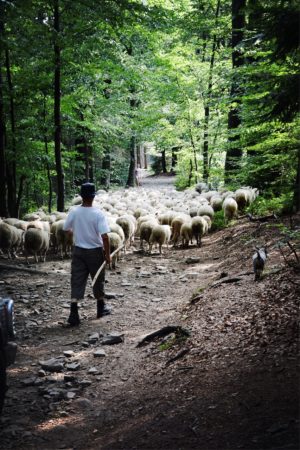
Without question, King David and his son, Solomon, were the two greatest kings of the Israelites. In fact, they may set the gold standard for any ruler or for any leader. Yes, they both had some moral issues, which we can’t excuse, but their leadership holds many lessons for us as leaders.

Often, we speak about how effective leadership is built upon a strong combination of both character and competency. This passage from Psalm 78 describes how God chose David and how David’s leadership demonstrated just such a combination of both character and competency:

“He chose David his servant

and took him from the sheepfolds;

from following the nursing ewes he brought him

to shepherd Jacob his people,

Israel his inheritance.

With upright heart he shepherded them

and guided them with his skillful hand.

(The Holy Bible: English Standard Version. (2016). (Ps 78:70–72). Wheaton, IL: Crossway Bibles.)

Here we see that David led Israel with an upright heart and with skillful hands. An upright heart could rightly be understood as strong and positive character. Character can be thought of as who David was at his core. He cared deeply about those that he led. We see in other passages how David put the wellbeing and the development of his people ahead of his own personal needs and wants. He demonstrated the character traits that we see in effective leaders: humility, love for those he led, authenticity, vulnerability, and a passion for their growth and wellbeing.

But his character alone, while extremely important, was not enough to lead well. He also needed a skillful hand, which can be understood as the competencies necessary to accomplish what God had set out for him to do. He was both a strategist and a tactician in battle. He was able to rally, organize, and unite the people that he led. He designed and planned well and he communicated as we only wish we could.

Leadership is built upon a relationship of mutual respect and trust. Character and competence are necessary to develop this respect and trust between leaders and their followers. The proper character might lead to respect, but without competence, people will have a difficult time in trusting that we are capable of taking them where they need to go. On the other hand, the most competent leader will not be respected without the necessary character.

Do you have both the character and the competence of an effective leader? What are you doing to further develop in character and competence?

How to Be a Better Person

From author and speaker, Lolly Daskal:

How to Be a Better Person:

  • Before you speak. LISTEN
  • Before you pass judgement. CARE
  • Before you criticize. WAIT
  • Before you write. THINK
  • Before you quit. TRY

And another list from Lolly that fits right in:

  • If you want to be remembered. be kind
  • if you want to leave your mark.  be generous 
  • if you want to make a difference. be attentive
  • if you want to be forgiven.  be apologetic 
  • if you want to learn. be teachable

500 Powerful Questions

In previous articles in this series on the Coach Approach, we defined Powerful Questions as questions that prompt real thought and reveal a part of the real person. We might ask these questions of others (or ourselves) in order to create a meaningful conversation, build a relationship, or help someone grow or address an issue in their life.

Powerful Questions can be about most anything and can be asked in many life situations. Of course, they are only powerful when they fit the definitions and characteristics that describe them. Sometimes the simple questions need a “Why” or a “Tell me more” to make them truly powerful. And it is easy to take one question and reform it in multiple ways. Here are more than 500 questions that can be powerful when asked with the intent of knowing and understanding the recipient:

  • What was your favorite moment thus far today?
  • What brings you in a good mood?
  • Describe to a 6-year old what you do in life?
  • What are 3 words that describe you best?
  • What always makes you smile?
  • How do you contribute to a better society?
  • What are the 3 most important aspects to support your lifestyle?
  • When you were little, what did you think you were going to be?
  • How do you feel about taking risk?
  • What’s your most (un)healthy habit?
  • If there is anything you would do differently in your life, what would it be?
  • Who would you like to have dinner with tonight (could be anyone, dead or alive)?
  • What genre of book/movie has the most impact on you?
  • Which music genre do you listen to the most?
  • What’s the nicest compliment you’ve ever received? From who?
  • What advice would you give your 20-year old self?
  • What is one life lesson that you think everyone should know?
  • What’s your biggest fear that you’ve overcome?
  • What was the most dangerous situation you’ve been in?
  • What’s the most unbelievable thing that’s ever happened to you?
  • Where would you live if you had no ties to any specific place?
  • What is one thing you want to accomplish in your lifetime and why is this important to you?
  • What was your favorite subject in school?
  • What was the last book that you read?
  • What have you never done before?
  • What time did you wake up this morning?
  • What was the first thing you did this morning?
  • What was the best gift you’ve ever received?
  • When was the last time you said “I love you” to someone other than your partner?
  • What is your earliest childhood memory?
  • What did you love doing as a child that you don’t do anymore?
  • What gets you excited about life?
  • What life lesson did you learn the hard way?
  • What do you wish you spent more time doing five years ago?
  • Do you ask enough questions or do you settle for what you know?
  • Who do you love and what are you doing about it?
  • What’s a belief that you hold with which many people disagree?
  • What can you do today that you were not capable of a year ago?
  • Do you think crying is a sign of weakness or strength?
  • What was your last dream about?
  • How do you relax yourself when stressed out?
  • How do you unlock your creativity?
  • What is your favorite meal of the day?
  • Where was the last place you’ve visited?
  • What do you do when you have to wait (e.g. at the doctors)?
  • Which TV show are you following right now?
  • How often do you talk to strangers?
  • What was the last picture you took?
  • What’s your favorite drink?
  • If money wasn’t an issue, how would that make your life different?
  • Have you ever done something competitively?
  • Who do you ask for advice when you have to make a difficult decision?
  • What’s your favorite thing you have at home?
  • What’s your favorite way to travel?
  • What do you want to do before you die?
  • When was the last time you tried something new?
  • Who do you sometimes compare yourself to?
  • What’s the most sensible thing you’ve ever heard someone say?
  • What would you do differently if you knew nobody would judge you?
  • Do you celebrate the things you do have?
  • What is the difference between living and existing?
  • If not now, then when?
  • Have you done anything lately worth remembering?
  • What does your joy look like today?
  • Is it possible to lie without saying a word?
  • If you had a friend who spoke to you in the same way that you sometimes speak to yourself, how long would you allow this person to be your friend?
  • Which activities make you lose track of time?
  • What things hold you back from doing what you really want to do?
  • If you had to teach something, what would you teach?
  • What would you regret not fully doing, being or having in your life?
  • Are you holding onto something that you need to let go of?
  • When you are 80-years-old, what will matter to you the most?
  • When is it time to stop calculating risk and rewards and just do what you know is right?
  • How old would you be if you didn’t know how old you are?
  • Would you break the law to save a loved one?
  • What makes you smile?
  • When it’s all said and done, will you have said more than you’ve done?
  • If you had the opportunity to get a message across to a large group of people, what would your message be?
  • If the average human lifespan was 40 years, how would you live your life differently?
  • What do we all have in common besides our genes that makes us human?
  • If you could choose one book as a mandatory read for all high school students, which book would you choose?
  • Would you rather have less work or more work you actually enjoy doing?
  • What is important enough to go to war over?
  • Which is worse, failing or never trying?
  • When was the last time you listened to the sound of your own breathing?
  • What’s something you know you do differently than most people?
  • What does ‘The American Dream’ mean to you?
  • Would you rather be a worried genius or a joyful simpleton?
  • If you could instill one piece of advice in a newborn baby’s mind, what advice would you give?
  • What is the most desirable trait another person can possess?
  • What are you most grateful for?
  • Is stealing to feed a starving child wrong?
  • What is one thing that really scares you?
  • What do you want most?
  • Are you more worried about doing things right, or doing the right things?
  • What has life taught you recently?
  • What is the one thing you would most like to change about the world?
  • Where do you find inspiration?
  • Can you describe your life in a six-word sentence?
  • If we learn from our mistakes, why are we always so afraid to make a mistake?
  • What impact do you want to leave on the world?
  • What is the most defining moment of your life thus far?
  • In the haste of your daily life, what are you not seeing?
  • If life is so short, why do we do so many things we don’t like and like so many things we don’t do?
  • What lifts your spirits when life gets you down?
  • Have you ever regretted something you did not say or do?
  • Has your greatest fear ever come true?
  • Why do we think of others the most when they’re gone?
  • What is your most beloved childhood memory?
  • Is it more important to love or be loved?
  • If it all came back around to you, would it help you or hurt you?
  • If you had the chance to go back in time and change one thing, would you do it?
  • If a doctor gave you five years to live, what would you try to accomplish?
  • What is the difference between falling in love and being in love?
  • Who do you think stands between you and happiness?
  • What is the difference between innocence and ignorance?
  • What is the simplest truth you can express in words?
  • What gives your life meaning?
  • Can there be happiness without sadness?  Pleasure without pain?  Peace without war?
  • What’s the one thing you’d like others to remember about you at the end of your life?
  • Is there such a thing as perfect?
  • To what degree have you actually controlled the course your life has taken?
  • What does it mean to be human?
  • If you looked into the heart of your enemy, what do you think you would find that is different from what is in your own heart?
  • What do you love most about yourself?
  • Where would you most like to go and why?
  • Is it more important to do what you love or to love what you are doing?
  • What do you imagine yourself doing ten years from now?
  • What small act of kindness were you once shown that you will never forget?
  • What is your happiest childhood memory?  What makes it so special?
  • Do you own your things or do your things own you?
  • Would you rather lose all of your old memories or never be able to make new ones?
  • How do you deal with someone in a position of power who wants you to fail?
  • What do you have that you cannot live without?
  • When you close your eyes what do you see?
  • What sustains you on a daily basis?
  • What are your top five personal values?
  • Why must you love someone enough to let them go?
  • Do you ever celebrate the green lights?
  • What personal prisons have you built out of fears?
  • What one thing have you not done that you really want to do?
  • Why are you, you?
  • If you haven’t achieved it yet, what do you have to lose?
  • What three words would you use to describe the last three months of your life?
  • Is it ever right to do the wrong thing?  Is it ever wrong to do the right thing?
  • How would you describe ‘freedom’ in your own words?
  • What is the most important thing you could do right now in your personal life?
  • If you could ask one person, alive or dead, only one question, who would you ask and what would you ask?
  • If happiness was the national currency, what kind of work would make you rich?
  • What is your number one goal for the next six months?
  • Would you ever give up your life to save someone else?
  • What one superpower would you most like to have? How would you use that power?
  • Are you happy with yourself?
  • What is the meaning of ‘peace’ to you?
  • What are three moral rules you will never break?
  • What does it mean to allow another person to truly love you?
  • Who or what do you think of when you think of love?
  • If your life was a novel, what would be the title and how would your story end?
  • What would you not give up for $1,000,000 in cash?
  • When do you feel most like yourself?
  • When you help someone do you ever think, “What’s in it for me?”
  • What is your greatest challenge?
  • How is God working in your life these days?
  • How do you know when it’s time to continue holding on or time to let go?
  • How do you define success?
  • If someone could tell you the exact day and time you are going to die, would you want them to tell you?
  • If I could grant you one wish, what would you wish for?
  • What have you read online recently that inspired you?
  • Why do religions that advocate unity divide the human race?
  • If you could live one day of your life over again, what day would you choose?
  • What can money not buy?
  • If you left this life tomorrow, how would you be remembered?
  • Beyond the titles that others have given you, who are you?
  • If you could live the next 24 hours and then erase it and start over just once, what would you do?
  • Is it possible to know the truth without challenging it first?
  • What word best describes the way you’ve spent the last month of your life?
  • What makes everyone smile?
  • What do you owe yourself?
  • What would your ‘priceless’ Mastercard-style commercial be?
  • Can you think of a time when impossible became possible?
  • Why do you matter?
  • How have you changed in the last five years?
  • What are you sure of in your life?
  • When you think of ‘home,’ what, specifically, do you think of?
  • What’s the difference between settling for things and accepting the way things are?
  • How many of your friends would you trust with your life?
  • What’s your definition of heaven?
  • What is your most prized possession?
  • How would you describe yourself in one sentence?
  • What stands between you and happiness?
  • What makes a person beautiful?
  • Is there ever a time when giving up makes sense?
  • What makes you proud?
  • How do you find the strength to do what you know in your heart is right?
  • Where do you find peace?
  • When have you worked hard and loved every minute of it?
  • How short would your life have to be before you would start living differently today?
  • Is it better to have loved and lost or to have never loved at all?
  • What would you do if you made a mistake and somebody died?
  • Who do you trust and why?
  • If you were forced to eliminate every physical possession from your life with the exception of what could fit into a single backpack, what would you put in it?
  • When does silence convey more meaning than words?
  • What little-known fact about you would most surprise your friends?
  • How do you spend the majority of your free time?
  • Who do you think of first when you think of ‘success?’
  • What did you want to be when you grew up?
  • How will today matter in five years from now?
  • How have you helped someone else recently?
  • What is your greatest skill?
  • Do you see to believe or believe to see?
  • How are you pursuing your dreams right now?
  • What’s the next big step you need to take?
  • If today was the last day of your life, would you want to do what you are about to do today?
  • If today was the last day of your life, who would you call and what would you tell them?
  • Who do you dream about?
  • What do you have trouble seeing clearly in your mind?
  • What are you looking forward to?
  • What is the number one thing you want to accomplish before you die?
  • What is something you know you do differently than most people?
  • Is there something you need help with at this moment?
  • Is there someone I can connect you with?
  • What are you (un)secretly good at?
  • What talent do you wish you’d have?
  • What makes you feel most connected to others?
  • When is love a weakness?
  • What has been the most terrifying moment of your life thus far?
  • Who is the strongest person you know?
  • If you could take a single photograph of your life, what would it look like?
  • Is the reward worth the risk?
  • For you personally, what makes today worth living?
  • What have you done in the last year that makes you proud?
  • What did you learn recently that changed the way you live?
  • What is your fondest memory from the past three years?
  • What are the primary components of a happy life?
  • How would the world be different if you were never born?
  • What is your favorite song and why?
  • With the resources you have right now, what can you do to bring yourself closer to your goal?
  • What are your top three priorities?
  • Why do we idolize sports players?
  • What is the nicest thing someone has ever done for you?
  • What do you see when you look into the future?
  • What makes you angry?  Why?
  • What is the most valuable life lesson you learned from your parents?
  • What does love feel like?
  • What are your favorite simple pleasures?
  • If you could go back in time and tell a younger version of yourself one thing, what would you tell?
  • What do you do to deliberately impress others?
  • What will you never do?
  • Excluding romantic relationships, who do you love?
  • What is your earliest childhood memory?
  • What book has had the greatest influence on your life?
  • What three questions do you wish you knew the answers to?
  • What stands between you and happiness?
  • What makes a person beautiful?
  • Is there ever a time when giving up makes sense?
  • What makes you proud?
  • How do you find the strength to do what you know in your heart is right?
  • Where do you find peace?
  • When have you worked hard and loved every minute of it?
  • How short would your life have to be before you would start living differently today?
  • Is it better to have loved and lost or to have never loved at all?
  • What is the greatest peer pressure you’ve ever felt?
  • What’s the biggest lie you once believed was true?
  • In your lifetime, what have you done that hurt someone else?
  • What’s the best part of growing older?
  • What’s been on your mind most lately?
  • What do you think is worth waiting for?
  • What chances do you wish you had taken?
  • Where else would you like to live?  Why?
  • What motivates you to go to work each day?
  • What do you wish you had done differently?
  • What is your greatest strength and your greatest weakness?
  • When was the last time you lied?  What did you lie about?
  • What made you smile this week?
  • What do you do with the majority of your money?
  • What motivates you to be your best?
  • When was the last time you lost your temper?  About what?
  • What will you never give up on?
  • When you look into the past, what do you miss the most?
  • How would you describe the past year of your life in one sentence?
  • What is the most spontaneous thing you’ve ever done?
  • What makes you uncomfortable?
  • Who is one person that you admire? What qualities do you see that you wish you also had?
  • If you had to move 3000 miles away, what one thing would you miss the most?
  • What worries you about the future?
  • What one ‘need’ and one ‘want’ will you strive to achieve in the next twelve months?
  • What life lessons did you have to experience firsthand before you fully understood them?
  • Do you like the city or town you live in?  Why or why not?
  • What’s the best part of being you?
  • When you look back over the past month, what single moment stands out?
  • What do you do to relieve stress?
  • What is your happiest memory?
  • What is your saddest memory?
  • What would you like to change?
  • How many people do you love?
  • What’s the best decision you’ve ever made?
  • What’s your favorite true story that you enjoy sharing with others?
  • What is the most bizarre thing that has ever happened to you?
  • Right now, at this moment, what do you want most?
  • What are you waiting for?  How are you writing your life’s story?
  • What makes love last?
  • What good comes from suffering?
  • What’s the most important lesson you’ve learned in the last year?
  • Based on you current daily actions and routines, where would you expect to be in five years?
  • What was your last major accomplishment?
  • Through all of life’s twists and turns, who has been there for you?
  • What or who has been distracting you?
  • What are you looking forward to in the upcoming week?
  • Who is your mentor and what have you learned from them?
  • What are you uncertain about?
  • What do you think about when you lie awake in bed?
  • What’s something most people don’t know about you?
  • When you have a random hour of free time, what do you usually do?
  • If they put a statue of you on the town square, what caption would they include to describe you?
  • What makes you weird?
  • If you could relive yesterday what would you do differently?
  • What do you do over and over again that you hate doing?
  • Would you rather your child be less attractive and extremely intelligent or extremely attractive and less intelligent?
  • What white lies do you often tell?
  • What is the biggest change you have made in your life in the last year?
  • What do you understand today about your life that you did not understand a year ago?
  • Whose life have you had the greatest impact on?
  • What did life teach you yesterday? …last month? …last year?
  • Who impresses you?
  • What have you done that you are not proud of?
  • When should you reveal a secret that you promised you wouldn’t reveal?
  • How would you spend your ideal day?
  • What is the one primary quality you look for in a significant other?
  • What do you admire most about your mother and father?
  • What is the best advice you have ever received?
  • If you could live forever, would you want to?  Why?
  • If you had to be someone else for one day, who would you be and why?
  • What positive changes have you made in your life recently?
  • Who makes you feel good about yourself?
  • What is your biggest regret?
  • Which one of your responsibilities do you wish you could get rid of?
  • What’s something you don’t like to do that you are still really good at?
  • What type of person angers you the most?
  • What is missing in your life?
  • What is your most striking physical attribute?
  • What has fear of failure stopped you from doing?
  • Who would you like to please the most?
  • If you could go back in time and change things, what would you change about the week that just passed?
  • When you meet someone for the very first time, what do you want them to think about you?
  • Who would you like to forgive?
  • At what point during the last five years have you felt lost and alone?
  • What is one opportunity you believe you missed out on when you were younger?
  • What do you want more of in your life?
  • What do you want less of in your life?
  • Who depends on you?
  • Who has had the greatest impact on your life?
  • Are you happy with where you are in your life?  Why?
  • In one year from today, how do you think your life will be different?
  • How have you sabotaged yourself in the past five years?
  • Other than money, what else have you gained from your current job?
  • Whom do you secretly envy?  Why?
  • In twenty years, what do you want to remember?
  • What are you most excited about in your life right now – today?
  • What experience from this past year do you appreciate the most?
  • What is the most enjoyable thing your family has done together in the last three years?
  • How many hours of television do you watch in a week?  A month?  A year?
  • What is the biggest obstacle that stands in your way right now?
  • What do you sometimes pretend you understand that you really don’t?
  • What do you like most about your job?  What do you dislike most about your job?
  • What’s something new you recently learned about yourself?
  • In one sentence, how would you describe your relationship with your mother?
  • What was the most defining moment in your life during this past year?
  • What’s the number one change you need to make in your life in the next twelve months?
  • What makes you feel secure?
  • What is your favorite sound?
  • What are the top three qualities you look for in a friend?
  • What simple gesture have you recently witnessed that renewed your hope in humanity?
  • What is your favorite smell?
  • What recent memory makes you smile the most?
  • In one word, how would you describe your childhood?
  • What celebrities do you admire?  Why?
  • What is the number one motivator in your life right now?
  • What music do you listen to to lift your spirits when you’re feeling down?
  • If I gave you $1000 and told you that you had to spend it today, what would you buy?
  • What was the last thing that made you laugh out loud?
  • What is your biggest pet peeve?
  • Who was the last person you said “I love you” to?
  • What is your biggest phobia?
  • What are some recent compliments you’ve received?
  • How many friends do you have in real life that you talk to regularly?
  • How much money per month is enough for you to live comfortably?
  • When was your first impression of someone totally wrong?
  • How many hours a week do you spend online?
  • What do you love to do?
  • What specific character trait do you want to be known for?
  • Are you more like your mom or your dad?  In what way?
  • What is the number one quality that makes someone a good leader?
  • What bad habits do you want to break?
  • What is your favorite place on Earth?
  • What do you love to practice?
  • What questions do you often ask yourself?
  • What are you an expert at?
  • What are the three events or experiences that have had the most impact on who you are today?
  • How would an extra $1000 a month change your life?
  • What things in life should always be free?
  • What is your favorite time of the year?
  • What is something you have always wanted since you were a kid?
  • What is the most recent dream you remember having while sleeping?
  • What confuses you?
  • In what way are you your own worst enemy?
  • When did you not speak up when you should have?
  • What is your favorite quote?
  • What is your favorite fictional story?  (novel, movie, fairytale, etc.)
  • Where or who do you turn to when you need good advice?
  • What artistic medium do you use to express yourself?
  • Who or what is the greatest enemy of mankind?
  • What’s something you wish you had done earlier in life?
  • What is the closest you have ever come to fearing for your life?
  • How do you deal with isolation and loneliness?
  • What do you know well enough to teach to others?
  • What’s a quick decision you once made that changed your life?
  • What have you lost interest in recently?
  • What makes life easier?
  • What was the last thing you furiously argued about with someone?
  • What job would you never do no matter how much it paid?
  • What is the number one solution to healing the world?
  • What could society do without?
  • What stresses you out?
  • Now that it’s behind you, what did you do last week (or last month) that was memorable?
  • Where do you spend most of your time while you’re awake?
  • What makes someone a hero?
  • When in your life have you been a victim of stereotyping?
  • When was the last time you felt lucky?
  • When did you first realize that life is short?
  • What is the most insensitive thing a person can do?
  • What can someone do to grab your attention?
  • What do you usually think about on your drive home from work?
  • What’s one downside of the modern-day world?
  • What simple fact do you wish more people understood?
  • If you could do it all over again, would you change anything?
  • How would you describe your future in three words?
  • What activities bring you the most joy?
  • What’s on your bucket list?
  • If money didn’t matter, what would you do for work?
  • What’s the best vacation you ever went on?
  • Who are you closest with in your family?
  • What’s something that scares you in life?
  • What’s a cause that you’re passionate about?
  • What’s your favorite childhood memory?
  • What’s something challenging that you’ve overcome this year?
  • What book has impacted you the most?
  • What was the last movie that made you cry?
  • Do you prefer the city or the country?
  • What are you most looking forward to in the next year?
  • If you could travel anywhere, where would you go?
  • What was your best purchase this year under $100?
  • What’s your biggest regret?
  • What does friendship mean to you?
  • Where do you need support in your life right now?
  • What’s the best gift you’ve ever received?
  • What’s the best gift you’ve ever given?
  • What are you most proud of in your life?
  • What’s the biggest challenge you’ve faced in the last year?
  • What do you consider your biggest strength?
  • What’s your most embarrassing moment?
  • How do you like to be comforted when you’re sad?
  • What’s something you’ve learned about yourself this year?
  • If you could change something about yourself, what would it be?
  • Are you happy with your career right now?
  • If Jesus asked you, “Who do you say that I am?”, how would you answer?
  • What’s your biggest fear?
  • If you could, would you go back in time and change anything? If so, what?
  • What’s something you’ve done that was scary, but you persevered?
  • What would you like people to say at your funeral?
  • What would you do if you were told you had six months to live?
  • What do you consider your biggest failure and what did you learn from it?
  • If we planned a vacation together, where would you want to go and what would we do?
  • How can I be an even better friend to you?
  • What’s the biggest lie you ever told?
  • Have you ever given up on a dream?
  • What’s the best advice you ever received? How about the worst?
  • What’s something I don’t know about you?
  • How do you feel about growing older?
  • What would you be willing to give up or sacrifice to achieve your dreams?
  • How has your relationship with your parents changed over the years?
  • Is there a question you want to ask me but haven’t because you’re afraid of the answer?
  • What’s your happiest moment?
  • How will you know you’ve led a meaningful life?
  • What would you do this month if you didn’t have anyone around to take care of or take into account?
  • Suppose you have six months without the usual obligations (such as work, family responsibilities, and social activities). How would you spend this time?
  • What have you not yet achieved this year? What would you like to achieve?
  • What three things give you the most energy?
  • What keeps you awake at night?
  • What are your two best qualities?
  • What’s the best compliment you’ve ever gotten?
  • If you could go back and give one piece of advice to yourself at your high=school graduation, what would that be?
  • What do you consider the best decision of your life?
  • Who or what surprised you the most over the last year?
  • Who or what inspires you?
  • What is your biggest wish for the coming year?
  • What are you most thankful for?
  • In which area(s) do you want to grow?
  • When you look back next year at the photos you’ve taken, what do you want to see?
  • How will you indulge yourself in the coming year?
  • What do you think is the most fun thing we did together recently?
  • When were we at our best as a couple lately and when were we least like a team?
  • When have you laughed loudest lately?
  • What recent events have you learned a lot from?
  • What joint activity would you like to undertake with me in the coming days?
  • What outfit would you like me to put on again soon and what outfit would you like to (finally) go in the garbage can?
  • Imagine you are going to save money for the next six months. What would this be for and how could you do it?
  • What’s something I could do to make your day a little more fun tomorrow?
  • Imagine that you’re elderly and looking back on your life. What do you want to have meant in your loved one’s life and are you on the right track?
  • What will you do soon that you’ll remember with a smile in your old age?
  • What healthy habit would you like to begin in the days ahead?
  • What have you been doing well lately in our relationship and what could you have done better?
  • Imagine you could trade one of my traits for one of yours. What good quality of your own would you give to me and what good quality of mine would you like to have?
  • What are you grateful for that I’ve done for you lately?
  • What recent achievement of mine are you proud of?
  • What do you see as the first step to accomplishing your goal?
  • What might you do to take you closer after that?
  • Can you think of some alternatives? Is there another way?
  • Who might you ask for help? Who else?
  • In the past, what has worked for you? What did you learn from that?
  • Tell me what you think would happen if you tried doing that?
  • What are the pros and cons of this option?
  • Which possible pathway do you feel prepared to go down?
  • What would you do if time/money/resources weren’t an issue?
  • How will you measure your progress using this option?
  • What matters the most to you in your professional life? What do you believe passionately in?
  • What skills, talents, or competencies do you have that you are most proud of? Which make you the happiest? Which make you feel accomplished?
  • What would you love to be able to list on your ideal resume? How about if there were no barriers or boundaries?
  • Describe the last time you felt driven and motivated by your role (current or past). What were you doing? Who was around? Where were you?
  • When trying to learn a skill you’re passionate about, what are some barriers you’ve faced? How did you overcome these? Which did you need help with?
  • What do you feel is preventing you from learning the knowledge you’re after? Have you asked anyone else for help? If so, what happened?
  • What is one step you could take to get you closer to that career goal? What kind of development or opportunities might you need to make that step? What opportunities can you create by yourself?
  • What can you practically achieve between now and next week/month/quarter to take you closer to your goal?
  • How would you go about achieving your career goal if you had unlimited resources? What is already possible right now?


Coaching question: What are you going to do differently beginning tomorrow?


Here are some other articles on the value of asking Powerful Questions: “The Power in Powerful Questions“, “Ask, Don’t Tell“, “Tell Me More About…“, “Ask Questions Instead of Giving Answers

Leadership: Reward or Responsibility?

People have different perspectives on what leadership is. People also have different motivations for seeking a role as leader. Some of those motivations are self-focused and others are focused on others. Some see leadership as a reward, some see it as a responsibility.

For some people, the motivation to achieve a leadership role is status. They crave the respect and admiration of others and hope that it will come with the title of CEO, president, or some other leadership role.

For some people, the motivation is money. They crave more money; perhaps more than they have or more than people around them have. With higher level positions in organizations comes larger salaries and benefits.

For some people, the motivation is power. They crave the ability to give orders and make demands, the power to tell people what to do rather than being told themselves.

For some people, the motivation is simply seen as a reward for hard work or accomplishment. If they work harder anyone else in the organization, then their view is that surely they deserve the recognition of being named to some leadership role. Perhaps this is driven by some need for an assurance of self-worth.

All of these motivations listed so far are driven by self-focus. They are based on some internal need. Achieving a role that might seem to be leadership, when driven by self-centeredness is actually more of a badge to be worn rather than a role to be achieved. The person that achieves or seeks to achieve a position of leadership as a reward is not, in fact, a leader. When given a role that might seem like leadership, they continue to operate for their own best interests.

True and effective leadership is a calling to a position of responsibility. It is not focused on what the leader is or does or can do. It, instead, is a recognition of the character and ability of a person to commit to serve others. Those who lead out of a sense of responsibility operate based on the best interests for those that they lead. In leading others, a true and effective leader recognizes his/her responsibility to communicate clearly with, to develop and shape, to guide and motivate, and to care for those that have either been placed within or have sought to be within the leader’s influence.

Do you view your leadership as a reward or a responsibility? How do you best fulfill that responsibility?

Buffett’s “What Separates Successful People from the Rest”

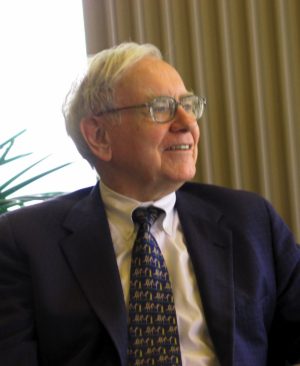
In a recent article from Inc. magazine, the author shares advice from Warren Buffett on self-improvement. One of Buffett’s mantras is “Go to bed a little smarter each day.” Comparing it to compound interest, Buffett says that is how knowledge builds up.

In the article, the author says, “Buffett knows that the mind is the most powerful weapon to succeed in business. To continuously grow yours as Buffett does his, choose to live your life exercising your mind first!” The article goes on to describe four ways of growing your mind:

  1. Read like crazy. Buffett is a voracious reader and typically spends 80 percent of his day reading.
  2. Create margin to “just sit and think.” Rather than working harder or trying to accomplish a long to-do list, taking time to think allows us to prioritize and make the important decisions well.
  3. Invest in your development. Buffett is quoted as saying, “The most important investment you can make is in yourself.”
  4. Surround yourself with the right people. From personal experience, Buffet learned that “it pays to hang around with people better that you are because you will float upward.”

The article is a short read with a little more detail on each of these four points.

The Smartest Person in the Room?

As a leader, if you are the smartest person in the room, you need to find some smarter people.

It’s true that intelligence is important for effective leadership. It is helpful in making good decisions. It is helpful in building strong, positive relationships. It is helpful in identifying the right questions to ask. But does the leader need to be the smartest person in the room? Even if he or she is, they are best off if they don’t always show it.

Constantly being the smartest person in the room robs your team of effectiveness. There are three common scenarios for trap of the leader as the font of knowledge:

One common driver of knowledge from on high is expediency. A leader might feel that discussion or seeking input from others is simply a waste of valuable time. “Why not just get to the bottom line and move on?” Therefore, the leader is quick to offer his/her opinion.

A second common scenario is based on volume. If the leader tends to continually have the loudest (literally or figuratively) or most important voice in the room, then other voices deem themselves to be unimportant and are therefore mute. If there is only one voice that has importance, then it must be the smartest voice in the room.

A third scenario is the leader that is driven by ego. To admit that other voices might have greater knowledge or even any relative value would be an affront to the ego-driven self-importance. Therefore, this leader must only value his/her own voice. In fact, this sort of person often belittles other voices in the room to soothe his/her own ego.

There are lots of reasons why any of these scenarios are damaging to the organization. Here are just a few:

  • Not valuing the knowledge of others will drive away capable and intelligent people. The organization is then left with less capability in its people.
  • Even if they don’t leave, overpowering the voice of people leaves them disengaged and dissatisfied. Therefore, people will be less productive.
  • We should all be seeking to learn and grow. One of the ways to do so is to consistently seek to share in the knowledge of others.
  • There is knowledge and wisdom in the group. By sharing, discussing, even debating ideas, the team is likely to find greater or better answers than even the smartest person in the room could provide on their own.
  • By encouraging discussion and by valuing equally all members of the team, the cohesiveness of the team grows. The strength of the team leads to unity and collaboration, resulting in higher performance of the overall organization.
  • Effective leadership is built on a relationship of trust and respect. One of the character traits that leads to this relationship is humility. Obviously, the leader who only values his/her own intelligence is not demonstrating the humility required to effectively lead.

Research has shown that the most effective leaders tend to be above average in intelligence but not extremely so. Perhaps this is because those extreme eggheads often have a difficult time relating to others. They too quickly fall into the traps described above.

The lesson for leaders here is not so much a matter of knowledge or intelligence. Rather, the lesson is about character and relationships. Effective leaders value and respect others; they demonstrate this respect in the humility that guides their interactions. Effective leaders want to grow themselves but have an even greater desire to help others to grow and develop. Therefore, the best leaders draw out the knowledge of others and make it a point to not consistently appear as the smartest person in the room.

Is your intelligence a strength or a weakness in your leadership? Do you strive to be the smartest person in the room or are you comfortable drawing out the knowledge of those around you?